I've always believed that teaching and learning are an exchange of knowledge, ideas, and experiences. As educators, we bring our expertise, guidance, and expectations into the classroom. Our students bring their own perspectives, questions, interests, and experiences. Some of the most meaningful learning happens when we make room for both.
My role as a teacher is to guide, encourage, challenge, and support students as they develop their own understanding of the world. I want them to become curious thinkers who ask good questions, consider different perspectives, and recognize their own potential.
Learning is a two-way street
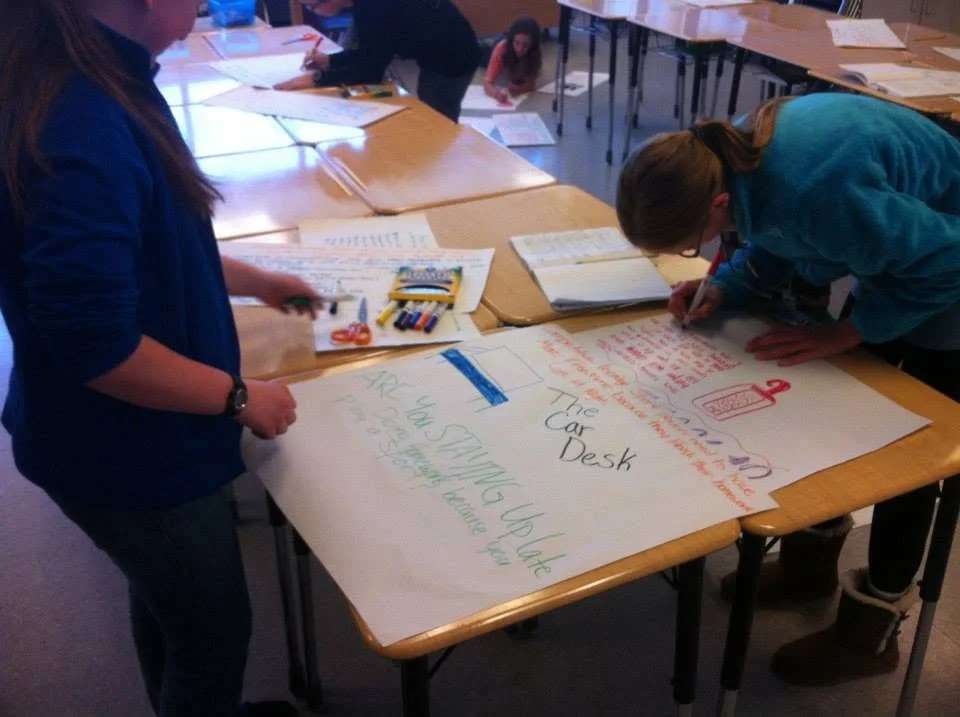
Students want to understand why something matters. I've found that when lessons connect to their experiences, interests, and the world around them, they're much more likely to engage with the material and take their learning further.
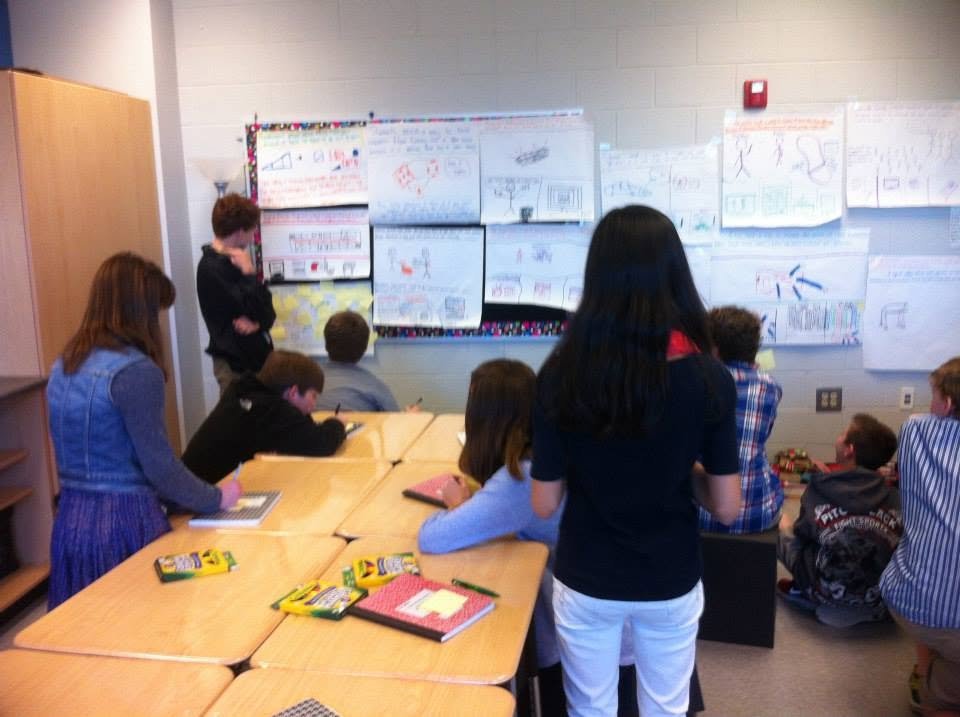
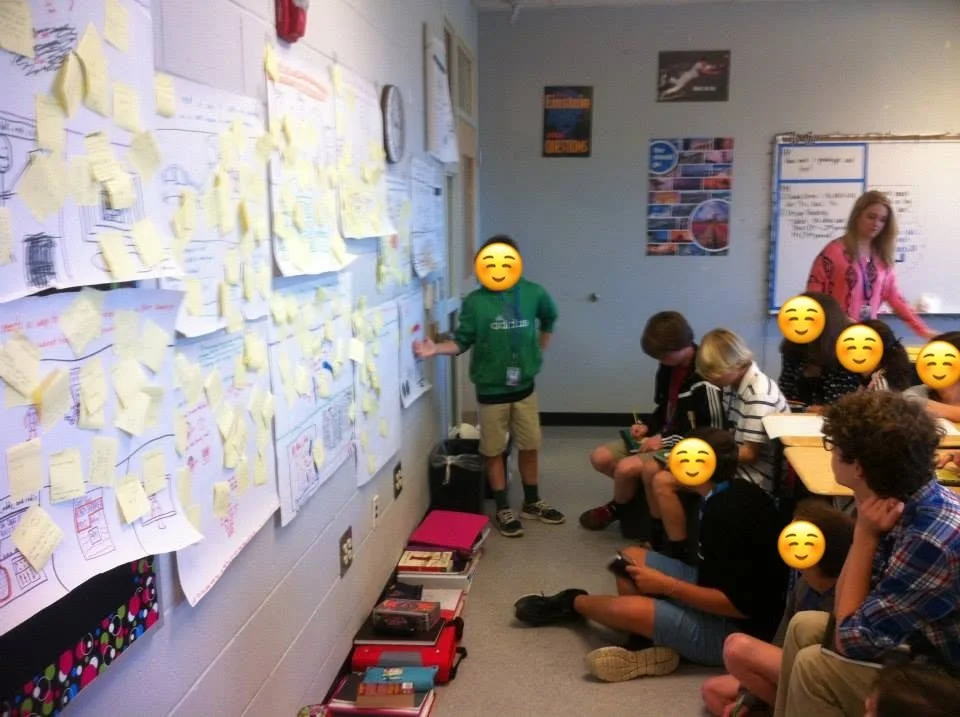
I love creating opportunities for discussion, discovery, collaboration, and independent thinking. Whether we're analyzing literature, exploring a historical event, or working through a writing assignment, I want students to participate in the learning process and contribute ideas of their own.
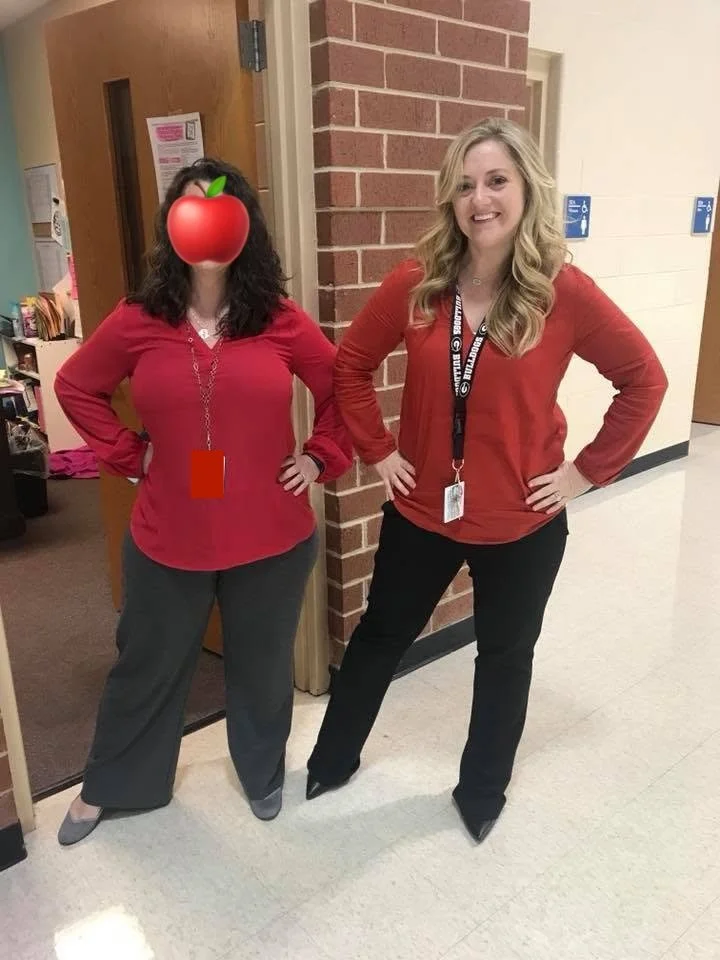
Every student brings something to the table
No two students enter a classroom with exactly the same experiences, abilities, interests, or needs. Recognizing those differences is an important part of planning thoughtful instruction.
I believe in using a variety of teaching strategies, learning activities, and assessment methods to help students access challenging material and demonstrate their understanding. I also believe students benefit from encountering literature, history, and perspectives that broaden their understanding of people and the world.
A strong classroom makes room for individual differences while maintaining meaningful expectations for everyone.
Relationships matter
Students are more willing to participate, ask questions, and challenge themselves when they feel comfortable, respected, and supported.
Building those relationships takes time and intention. It means getting to know students as individuals, showing interest in their lives, communicating with families, and being present in the school community.
I believe students need adults who recognize their potential, especially when they have a difficult time recognizing it themselves. Encouragement and accountability belong together.
“You're always there for us, and you treat everyone equal. You always try to make things ‘doable’ for us.”
— Former StudentGood teachers keep learning, too.
Teaching requires reflection, flexibility, and a willingness to adapt. A lesson that works beautifully with one group of students may need an entirely different approach with another.
I've always valued collaborating with colleagues, learning from my students, and continually evaluating my own instructional practices.
Ultimately, I want students to leave my classroom with stronger skills, greater confidence, and a willingness to keep asking questions. If I've helped them discover something about the world, about other people, or about themselves, then we've accomplished something worthwhile.